Mixing & Mastering Course | Hong Kong
- →Studio monitor speaker design
- →Acoustics and acoustically treating your home studio
- →All about mono, stereo and 5.1 in your software DAW
- →The art of balancing and panning
- →EQ workshop
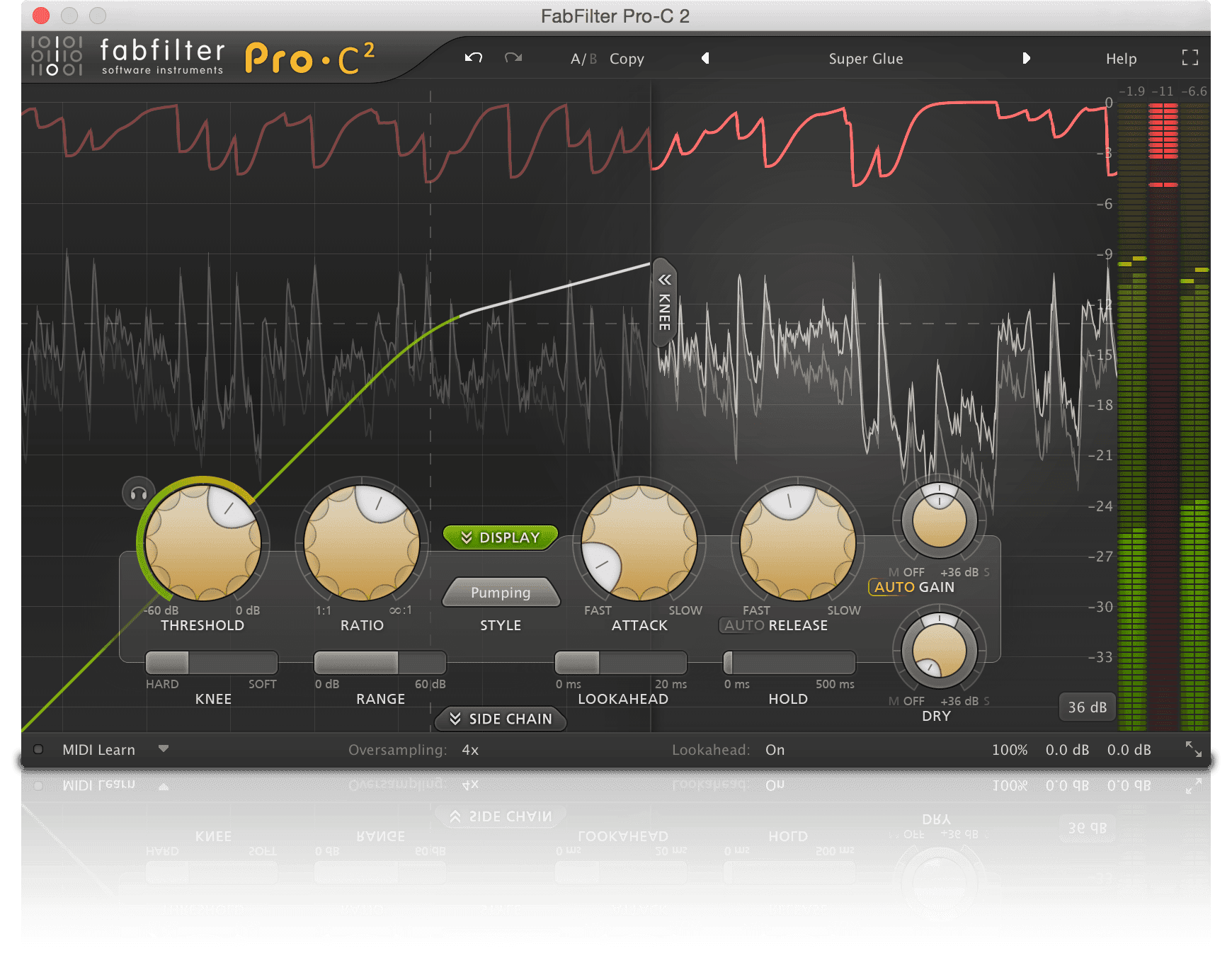
- →Hearing dynamics
- →In-depth with all the parameters of dynamic controllers
- →Types of compression circuitry, their digital emulations, what to use & why
- →Parallel dynamic processing
- →Gates and de-essing tips
- →Dynamics controller tips to achieve clarity in your mix
- →Types of reverb and delay, where to use them
- →In-depth with all the parameters
- →Spatialization with convolution reverbs and delays
- →Phaser, flanger, chorus, pitch shifters, harmonizers and creative FX
- →Tips on how to make your records come to life with FX
- →Filtering and samples
- →Vocoder, Ring Modulators, Envelopers, Auto panning, distortion and bit crushing
- →Preparing vocals, vocal comping and tuning vocals
- →Getting separation between lead and BVs
- →Tips on automating levels (rides)
- →Side-chaining dynamic controllers and filters for ducking, FX and punch
- →Getting creative with reverb and delay
- →Making thin sounds bigger
- →Mixing techniques which only apply to electronic music but are very useful to know for everyone
- →Electronic music listening critique (bring in your tracks if you wish)
- →Electronic music mix analytics – analyze the mix elements of your favorite tunes
- →Using references to get your EQ and separation. A/B'ing
- →EQ, brick wall limiting, levels and phase
- →Using mastering plugins - dos and don'ts
- →The best metering tools
- →Live music listening critique (bring in your tracks if you wish)
- →Live music mix analytics – analyze the mix elements of your favorites live and acoustic tracks
Mixing & Mastering Music Production Course | Hong Kong
- →EQ workshop
- →Studio monitor speaker design
- →Acoustics and acoustically treating your home studio
- →All about mono, stereo and 5.1 in your software DAW
- →The art of balancing and panning
In our students' words.
“Instructors are well-experienced and can speak from tremendous amounts of real-world experience. They are also very passionate - not just about music and working in the industry, but they are passionate about teaching and getting the students the best learning experience possible. This makes a big difference in how successful the course is for the students… We were also able to get a lot of detailed and hands-on work - which was great!”
Alan G
Instructors



Before you enrol.
We'll do our best to get you into a future cycle of your choice so you can catch up.
36 hours, available in-person or via online remote attendance.
No - it's not essential if you use Pro Tools, Logic or Ableton, though we recommend it. Garnish learners get a 50% discount if they want to buy it.
No more than 8 people.
Yes - there's a full introduction to mastering, including A/B'ing, brick wall limiting, and the best metering tools.
Yes - a Garnish certificate of completion on finishing the course.
36 Hours | In-Person: $28,800 | Online Remote Attendance: $5,999
Ready when you are.
InquireWhy train with us?
Automation: Mixing as a Performance
A mix is not a set of static positions. Fader rides, send moves, section steps and the four automation modes - plus the override that catches everyone.
Read →How to EQ Vocals
How to EQ Vocals Katie Gilchrest's guidelines on how to EQ vocals. For most styles of music, vocals are one of the most important parts of the mix. Poorly EQd vocals can cause detriment and distraction to an otherwise great song. Equalization using a parametric EQ is a tool that can allow vocals to
Read →Mixing Desk Basics
Subgrouping a mix, using reference tracks properly, and keeping your monitoring level honest over a long session.
Read →Audio Interfaces
Audio Interfaces An audio interface is a piece of hardware that connects musical instruments, microphones, and other sound sources to a computer. The audio interface acts as a bridge between the analog audio signals from the instruments and the digital signals that the computer can understand and pr
Read →Modulation
We have discussed the most common modulation effects such as chorus, flanging and phasing. Now it is time to investigate other modulation effects.
Read →Delay
From tape echoes to ping-pong delays: the parameters, how to match delay time to tempo, and using delay as a real mixing tool.
Read →