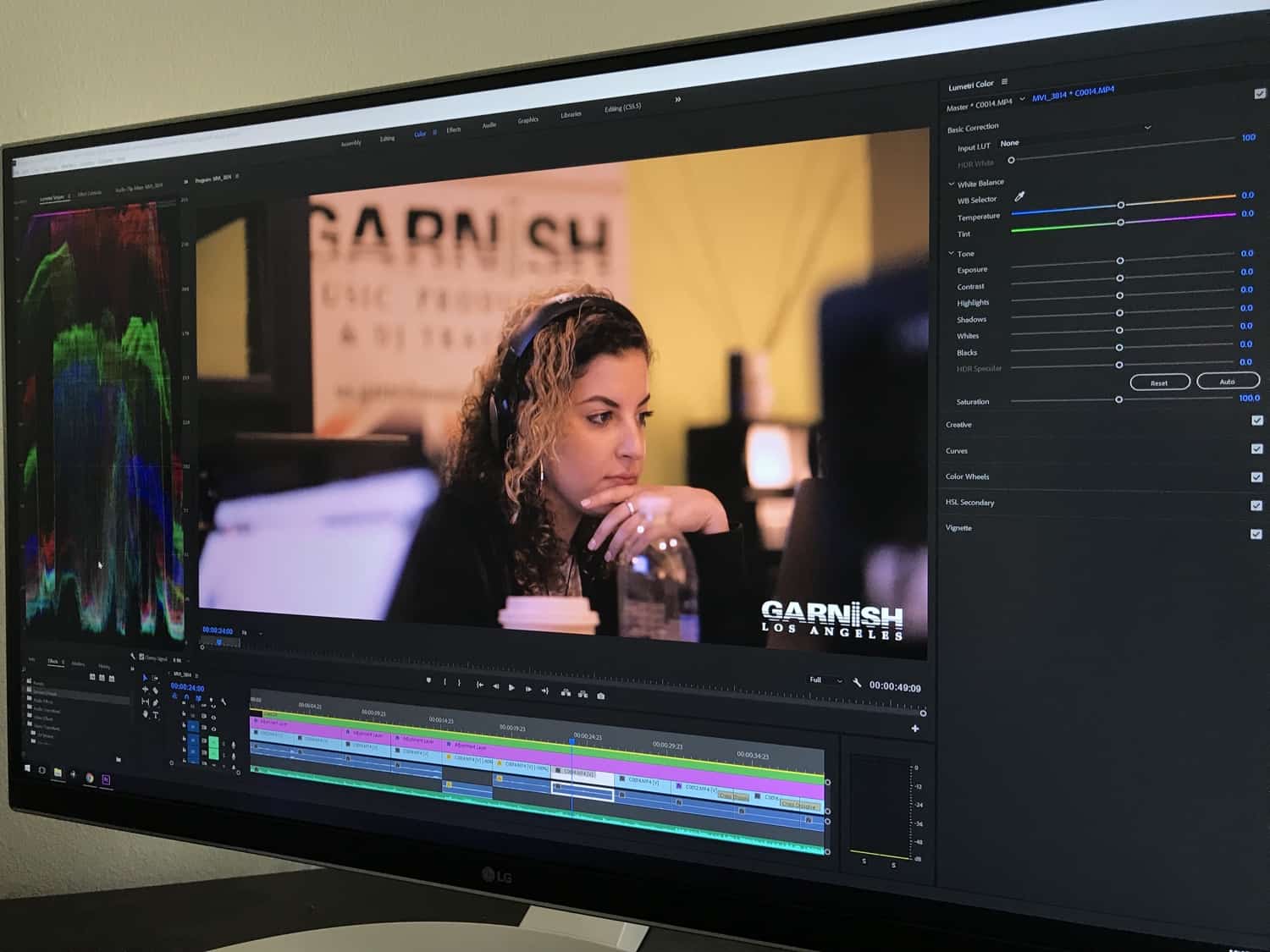
Video Production Course | Hong Kong
- →Location Scouting
- →Scripting/Script Writing
- →Storyboarding
- →Sensor Size and Crop Factor
- →Exposure Triangle and Achieving Proper Exposure
- →Shutter Speed and Frame Rates
- →Compressed Codecs vs Raw Video
- →Bit Rates and Color Spacing
- →F-stop/Aperture
- →Focal Length
- →Primes vs Zooms
- →Using Different Filters(ND/UV)
- →Importing Footage and Creating New Sequences
- →Use of Tools in Timeline
- →Color Grading and Visual Effects
- →Organizing Footage
- →Working with Proxies
- →Understand Different Codecs
- →Export Setting for Different Audiences/Channels
In our students' words.
“It was great and totally hands-on. I understood exactly what I needed, and the instructor was patient, quick, totally sorted out my computer as well. I like that I was able to use the time I had in LA to learn something I have been wanting to for a while. When I started my conversation with admissions, I was quite confused, but he sorted me out. I think for someone who might be trying to make their mind up, the guidance provided by the school could be very helpful in planning their moves!”
Anushka Manchanda
Instructors


Before you enrol.
The Video Production Course runs in small groups in Hongkong. Ask admissions at Garnish Hongkong for the current dates and tuition.
Yes. The Video Production Course can be taught one-to-one, in person in Hongkong or online, built around your own projects - ask admissions about private instruction.
Planning first - location scouting, scripting and storyboarding - then the camera: sensor size, the exposure triangle, shutter speed and frame rates, codecs and bit rates, aperture, focal length, primes against zooms, and filters.
Bring what you have; the principles are the same on any camera, and the course is about getting the shot right rather than owning a particular body.
Artists who need their own video, and anyone behind a camera for the first time who wants footage that is right in camera rather than fixed in the edit.
Yes. The Video Production Course runs in person at Garnish Hongkong and live online in the same sessions, using our music collaboration software, Muse - you join whichever suits you.
Ready when you are.
InquireWhy train with us?
How to EQ Vocals
How to EQ Vocals Katie Gilchrest's guidelines on how to EQ vocals. For most styles of music, vocals are one of the most important parts of the mix. Poorly EQd vocals can cause detriment and distraction to an otherwise great song. Equalization using a parametric EQ is a tool that can allow vocals to
Read →Mixing in Dolby Atmos
Not surround sound and not more speakers - a different way of describing where a sound is. Beds and objects, the room you probably do not have, why the loudness war was never possible in Atmos, what changes about mixing and what does not, and how to deliver it.
Read →More Creative Mixing Techniques
Reverse effects, distortion, miced amps and the practical side of sample clearance - what it costs and how to avoid needing it.
Read →Reverb
When we experience a sound we are not only hearing it from the direct source, but also from the environment in which it is situated (reflections from…
Read →Reverb
Chambers, springs, plates and digital reverb - what each parameter does, and how to place a sound in a space without drowning the mix.
Read →5 Mixing Mistakes to Avoid
by Katie Gilchrest When it comes to mixing, establishing a balance is one of the most important parts of creating a professional sounding production. Some of the same miscalculations are made again and again, and fortunately there are ways to recognize, avoid and fix them. Here are five common mixin
Read →